Open Day – Institute of Normal and Pathological Physiology, Center for Experimental Medicine of the Slovak Academy of Sciences
As every year, the Center for Experimental Medicine welcomed students to its premises as part of the Week of Science and Technology and was happy to introduce them to the various research areas in which our institutes are engaged.
On November 13, 2025, the Institute of Normal and Pathological Physiology was visited by students from St. Ursula High School in Bratislava, who are fascinated by the sciences of living nature and interested in how individual body systems function.
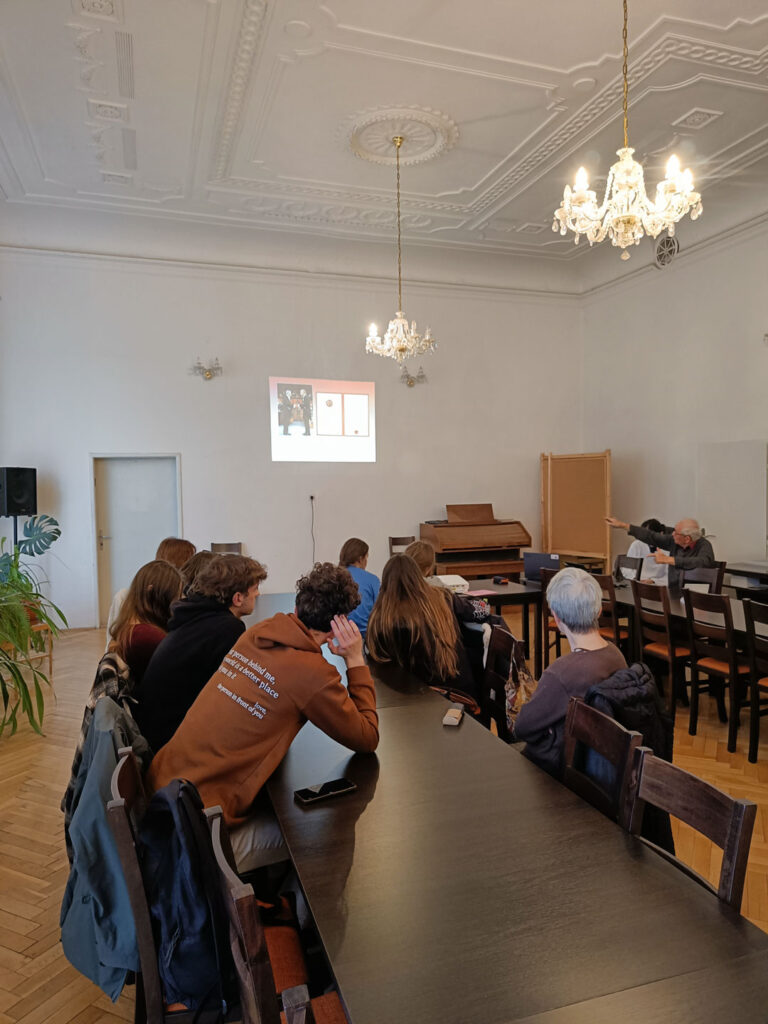
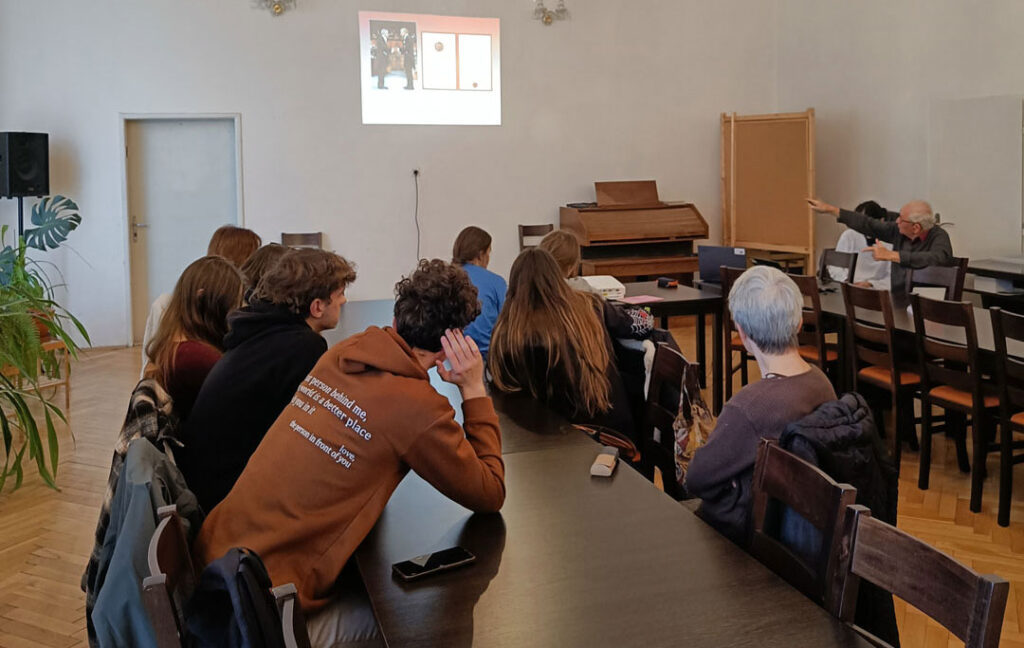
The researchers of our project also visited the students, and during the visit, they familiarized them with the project’s topic and main goals. In the introductory lecture, Associate Professor Jozef Török explained why our institute is so intensively devoted to the cardiovascular system. Heart and vascular diseases are among the most common diseases of civilization – understanding how a healthy heart and blood vessels function and what happens during disease is key to better prevention and treatment. Students learned how our scientists investigate blood flow (hemodynamics) and vascular tension regulation, as well as the mechanisms of disease development and the processes that lead to their improvement or recovery.
Animal models of cardiovascular diseases have aroused great interest, helping to understand how the disease develops and what can slow or stop it. Thanks to them, we can test not only the effects of various substances and procedures at the level of the entire organism, but also what is happening in specific organs and even inside cells.
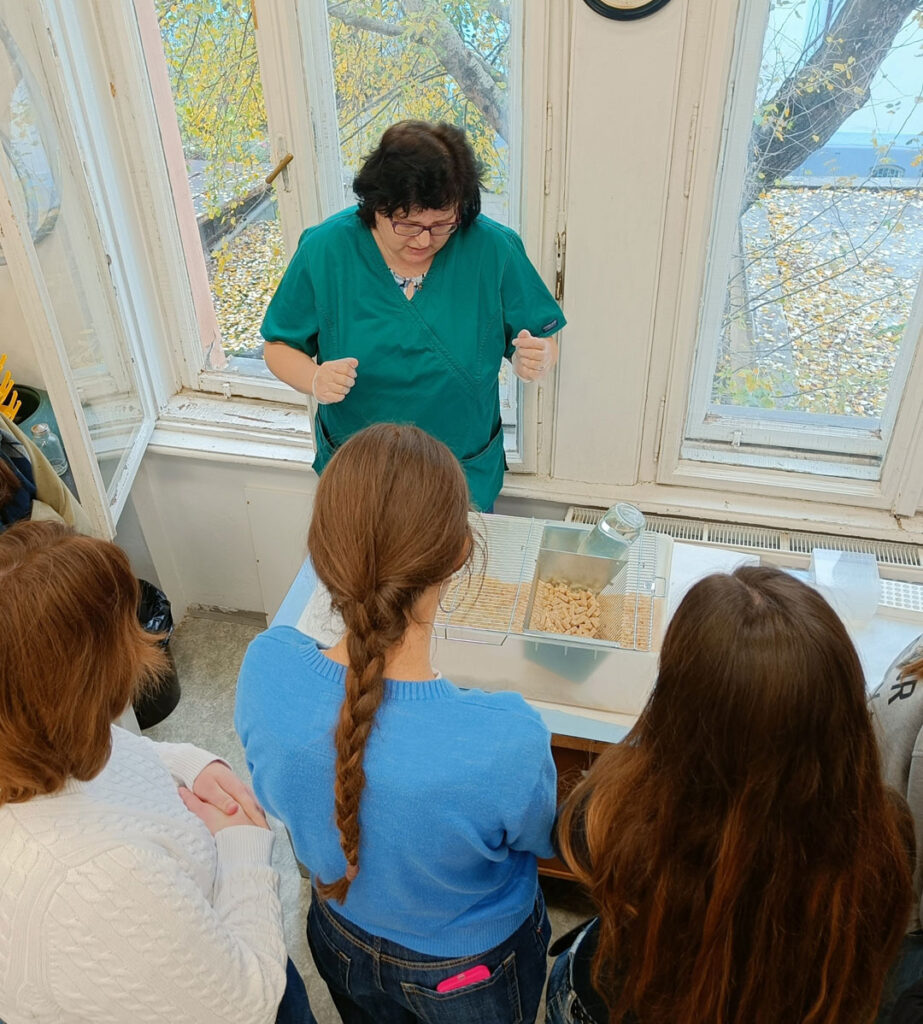
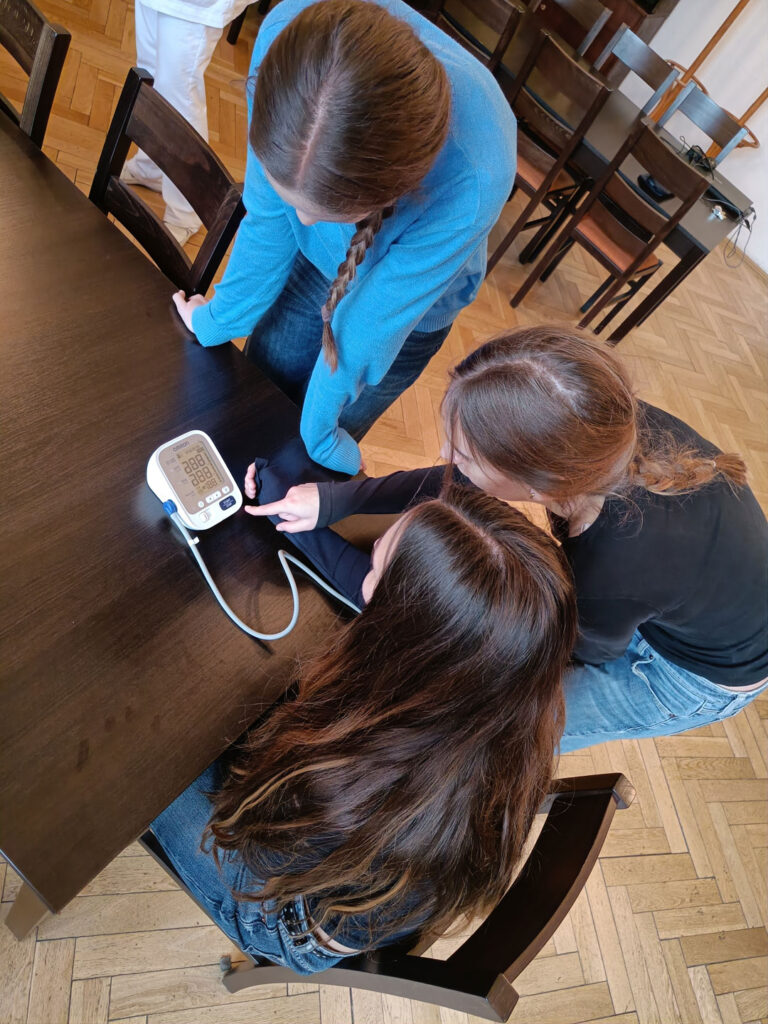
The lecture was followed by a tour of the laboratories. The students looked at the dissected organs of a rat and became familiar with the method of measuring vasoactive responses of isolated vessels, which are able to respond to stimuli for a certain period of time after removal, similar to when they were in a living organism. It is with this method that it is possible to realistically capture how one of the important gaseous substances – hydrogen sulfide- acts in the vascular system, which significantly affects not only vascular tone but also inflammation. Our project is dedicated to hydrogen sulfide and investigation of its role in menopause, obesity and type II diabetes.
We believe that a close-up look at science has further stimulated curiosity, a desire to ask questions and think in context in these young people, and perhaps they will one day manage to push the boundaries of knowledge one step further. We thank the students and their professor for their visit and look forward to our next meetings!